If you have not already done so, please check out my Substack, A Reading from the Journal of Yesterday, where I write about reading my old journals, and what to do with all these volumes of personal writing. I share with all subscribers, but my recent ramble about writing as a trauma response was pretty vulnerable. As I get deeper into this reflective practice, I will limit some posts to paid subscribers only. Just $5 a month or $55 for a whole year.
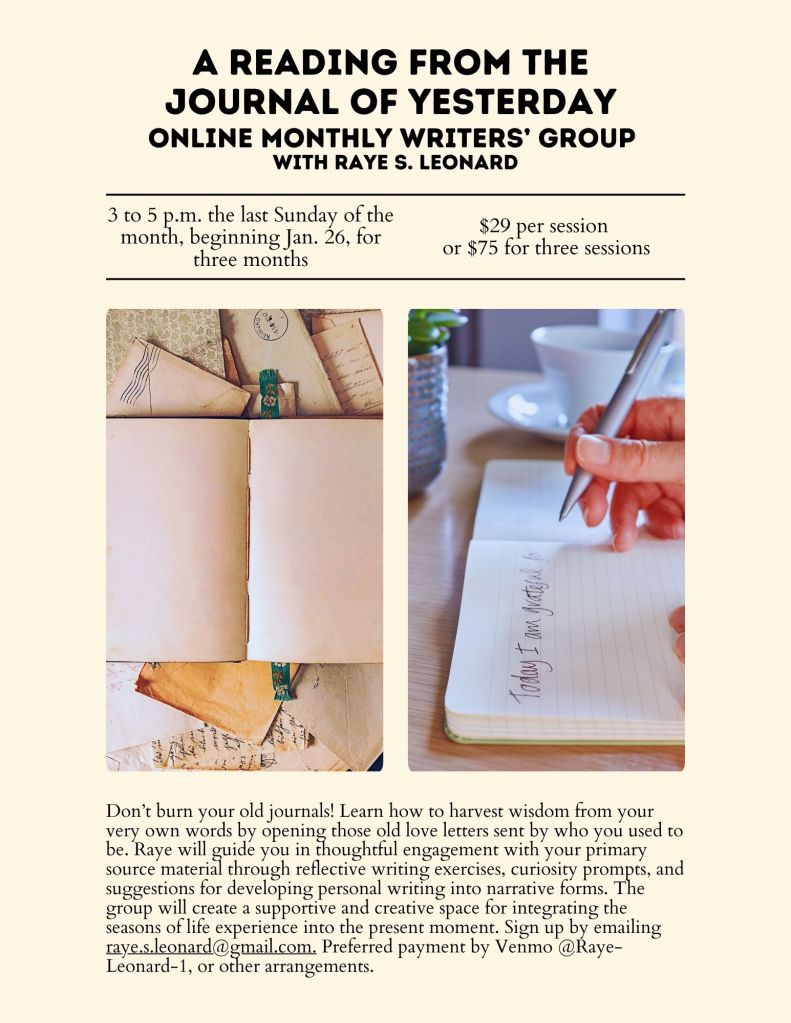
Do you have old journals, too? Don’t burn them! Learn how to harvest wisdom from your very own words by opening these love letters sent by who you used to be. I will guide you in thoughtful engagement with your primary source material through reflective writing exercises, curiosity prompts, and suggestions for developing personal writing into narrative forms. The group will create a supportive space for integrating the seasons of life experience into the present moment. Sign up by emailing raye.s.leonard@gmail.com. Preferred payment by Venmo @Raye-Leonard-1, but we can make other arrangements.
I launched a Substack in March called A Reading from the Journal of Yesterday where I am happily posting reflections somewhat regularly from my lifetime collection of journals and personal writing. I am cross-posting my most recent entry here because I would love for readers of this blog to join me there.
As a thank you to long-time followers (and believers in) my work, at the end of this post, I include an excerpt from a chapter of my memoir-in-progress that you can read without becoming a paid Substack subscriber.
I changed my name to Shelly on my Facebook profile two months ago in celebration of my 35th high school reunion. It’s the name I grew up with.
I didn’t realize it would be 60 days, according to META rules, before I could change it back to Raye, the name I’ve used for over 30 years.
I’ve told the story of how I went from Shelly to Raye many times since the first of June. No, I am not now and never was in a witness protection program. I was not trying to reinvent myself in my early 20s, though I appreciated the fresh start of going to college like anyone else.
I am not trying to be someone I’m not. I simply become more and more who I am.
Some people say, “You’ll always be ‘Shelly’ to me.” It’s spoken like a secret, as if the person knows something about me that others may not simply because they “knew me when.”
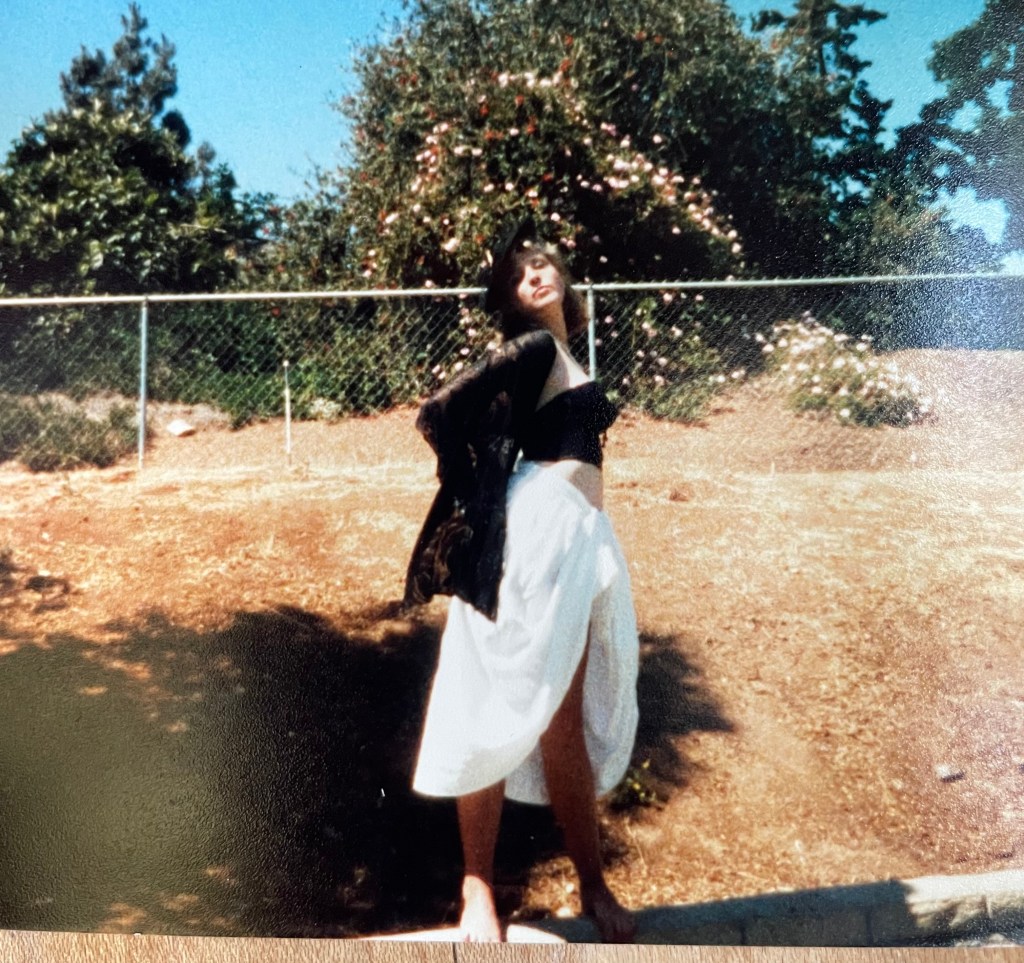
San Diego Shelly in 1986 playing dress up with one of my dearest friends whose Navy family was transferred across the country after 8th grade. Theater was my one and only extracurricular activity in high school. Those who truly knew me when know how much I loved to be part of a show. No secret there.
When was that exactly? Who was that me?
Only a very special few have known me through all my names, speaking to me in every language of myself.
In celebration of switching back to Raye on Facebook today, here’s an excerpt from a chapter of my memoir-in-progress that explains what’s in my name.
I will continue to update this website from time to time, so I hope you will stick around. Please also join me on Substack where I share generously from my work, even for free subscribers. If you want to become a paid subscriber, it’s just $5 a month or $55 a year, and includes content just for you, commenting options, prompts to support your own personal writing excavation, and discounts on workshops.
Thank you for following me wherever you find my work!
Me and Jesus, to quote the oft-covered song by Tom T. Hall, got our own thing going.
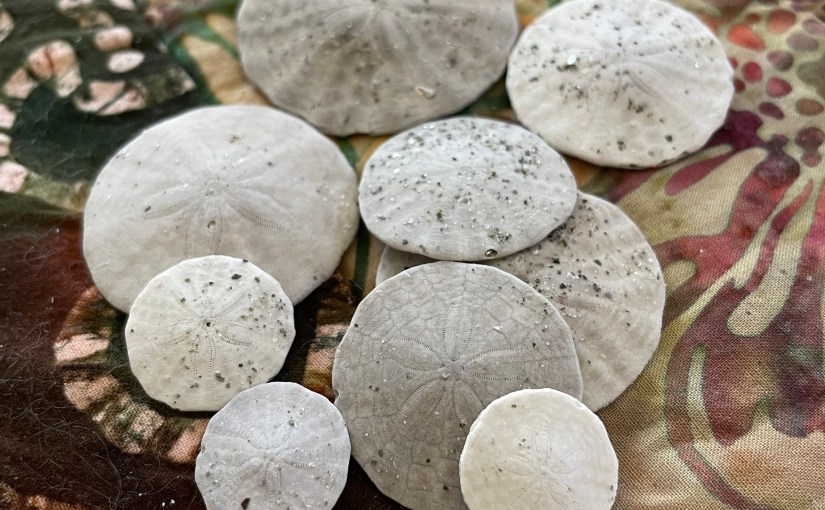
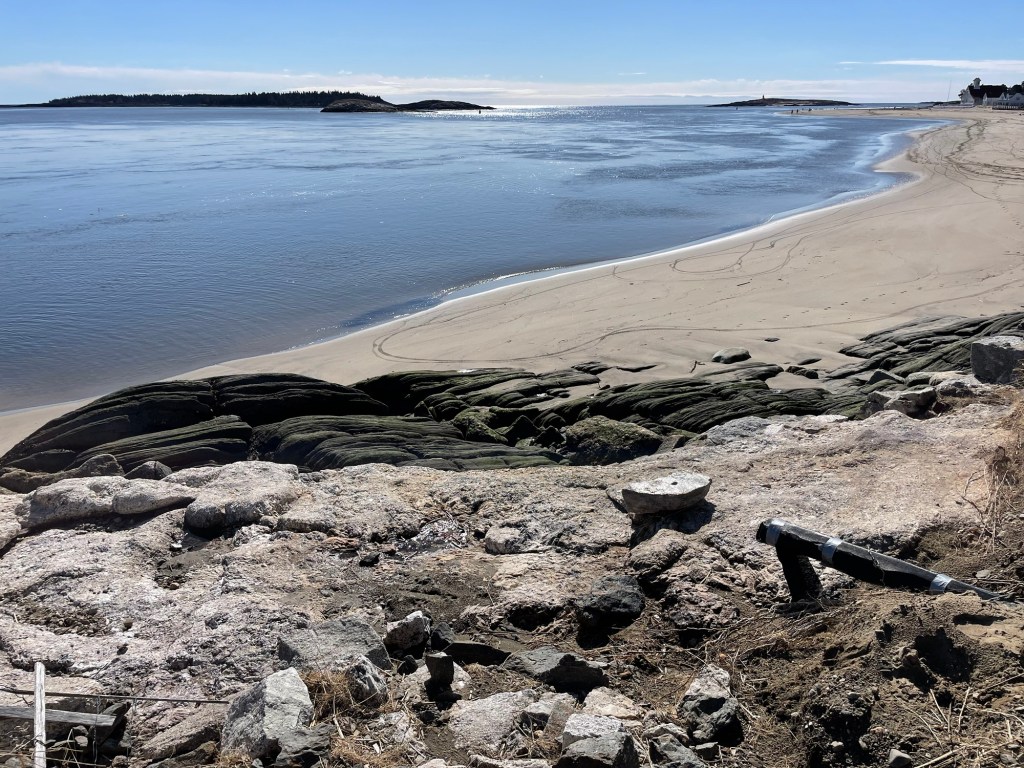
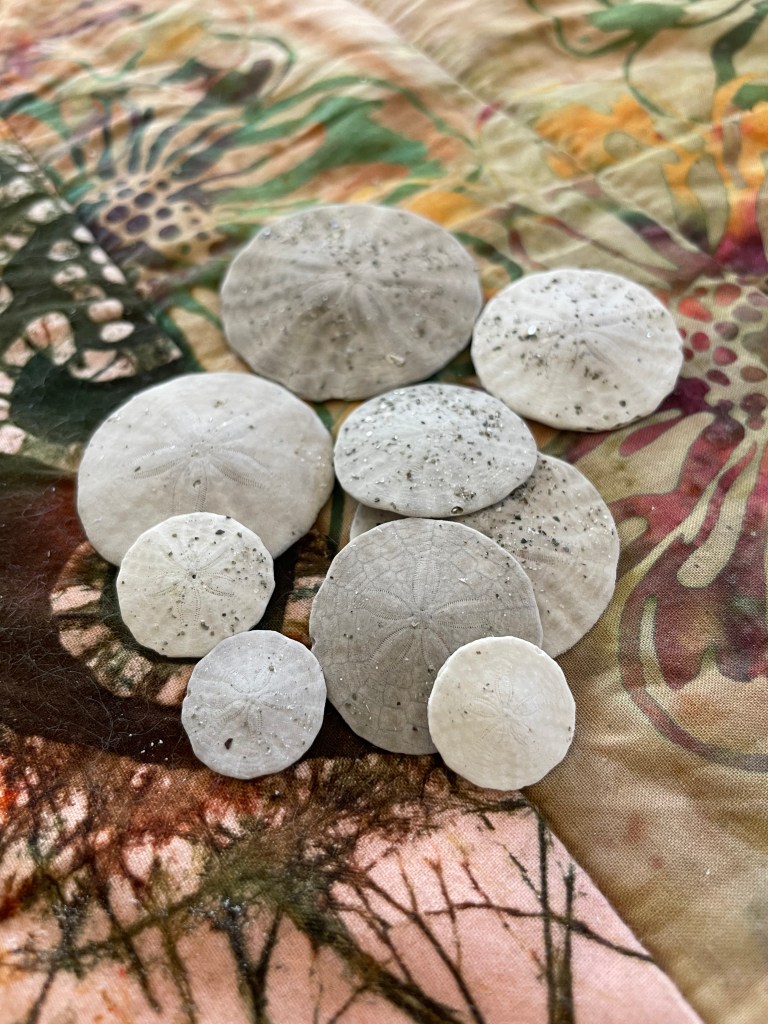
I spent the last 40 days – Lent, in the Christian tradition – on a journey back to what I’ve always known. I don’t need no fancy preaching.The shore marked with my own footprints, a pulpit made of stones, the hymn of the sea, and a handful of sand dollars.
That’s church enough for me.
Popham Beach, fort-side, Easter 2024
I tried, like I did at Advent, to have a Catholic experience of Lent. There’s a rough rock tumbling around in my memoir project that has to do with being Catholic. I want to smooth it with understanding what it might have meant for my mother and grandfather to be Catholic. How did that religious persuasion shape their beliefs, inform their choices?
My personal Catholic experience was derivative, lightened to the point of a complete fade compared to the rigid French-Canadian Catholicism of my grandfather’s generation, and to a large extent my mother’s.
What I’ve been trying to get at in my Catholic journey is a sense of what it was like for them to be Catholic. My empathy game is so strong I probably feel it before you do, so it was no wild imaginative leap to believe I’d glean something of what they may have felt going through the liturgical year myself.
But my own feelings were the only thing I felt.
And what I felt most persistently was why am I here? I loved the ritual of Mass, and St. John’s full of so many souls on a Sunday made me want to kneel with them in the joy of simple belonging.
But I needed the laminated cheat sheet to make it through all the prayers. I never had enough cash for the second collection. And ultimately – unwittingly – I committed a mortal sin.
About mid-Lent, I bumped into an old friend from my Coastal Journal days after Mass. She pointed out I ought not to be taking Communion because I was not in a state of grace. It was a mortal sin to do such a thing. And if she didn’t say something to me about it, that would be her own mortal sin.
Like everything except the most basic Catechism, I am not entirely sure what it means to be in a state of grace, or why not being so puts a soul in such peril. But mortal sin sounded like I was marked for a smiting by God himself. That didn’t sound good.
Even though I am pretty sure I offend God at least five different ways daily – probably more – I don’t need to add mortal sin to the ledger of worries already in the queue of my midlife maladies.
I never went back to Mass after that. Half my Lenten journey was about as far from a Catholic one as you can get.
That doesn’t mean it wasn’t holy. Me and Jesus, as I said, got our own thing going.
I knew there were rules about the Communion wafer. But I thought I just needed to confess my sins before I stuck it in my mouth. I figured I do that every single morning when I ruminate in my journal. And anyway, when I went to a UCC church, everyone got some bread to dip in the grape juice. Was it really so awful as to be a mortal sin?
He’d forgive me. Jesus, I mean. About Communion. That’s what I think.
I could hear him saying, “Look it’s not really like that. I don’t need you to do anything besides show up and actually care. If it were up to me, there wouldn’t be all this [waves arm in a dramatic scriptural gesture]. But if you want to be a Catholic, well, then you gotta do it their way.”
I hit the highway instead.
Or should I say the beach?
In my muck boots, I plodded along the low-tide Popham wrack line this Easter morning, sifting shells from seaweed with my eyes.
“What are you looking for?” A woman asked.
“Sand dollars,” I said, looking up.
She walked toward me with her hands cupped. “Here,” she said.
I opened a palm, and she tipped a handful of sand dollars into it.
“Are you sure?” I said, astonished. I’ve found a bazillion sand dollars since 2020. I still have every single one. They are the bread crumbs that led me on my own clumsy walk of faith. Each is an answered prayer, an idea born, a fear abandoned.
“I have more than enough,” she assured me, squeezing my other hand with her now free one. She continued down the beach.
Now that’s my kind of Communion.
“Peace be with you,” I called, and she turned back to wave.
Together and to each other we shouted, “Happy Easter!”
Revised on April 4, 2024.
(It’s not quite ready yet, but if you’d like to read more about “me and Jesus,” please subscribe to A Reading from the Journal of Yesterday, my coming-very-soon Substack.Originally, I thought this project would literally be posts of personal writing from 42 years of my journals – and my present-day reflections on getting to know the “people I used to be.” But I expanded it to include anything from my extensive unpublished archives, including the Jesus Shorts I wrote and shared with a few pastor friends in 2010. I’m having way more fun revisiting creative work, but culling through it takes more time than simply pulling 1984 from the shelf and wincing through pages of early adolescent breakups. A Reading from the Journal of Yesterday is free – but thanks in advance if you would like to pay a little bit for it. That’ll help keep me in motel fees while I finish my memoir. Either way, I hope you will subscribe!)
It’s safe there. I mean, if you tell the same story over and over again, there are no surprises, right?
Little kids love this because when they are read to, they anticipate their favorite parts. Then when they pick up those books to look at by themselves, they turn the pages and say the story as if they are reading it. This is a vital stage in pre-literacy, something I know just a little bit more about after taking a graduate-level class earlier this year.
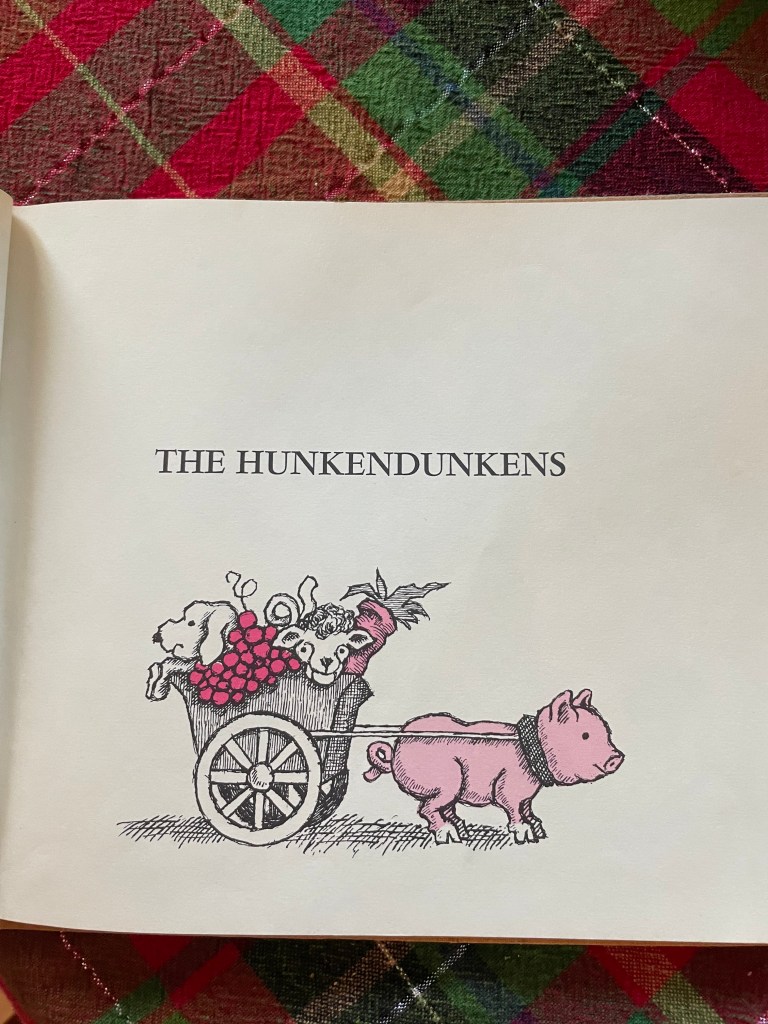
The Hunkendnkens, by Richard R. Livingstone and illustrations by Harriet Pincus, was my favorite book as a child. I practiced my pre-literacy in those pages, and may even have learned to count in them, too, since there are 100 Hunkendunkens, plus pets!
This literacy pre-ramble might have nothing to do with hope. But it has everything to do with stories.
It’s one thing to read, watch, or (for my grown-up Zoomer kids) play a special story over and over again. For example, I always re-read The Snow Child, by Eowyn Ivey during my January hibernation because it’s a cold-weather tale and I love it. My family likes to re-watch the 10th Doctor Who (David Tennant/Russell T. Davies era) Christmas specials this time of year. The Zoomies still love Civilization, a video game they first played with their dad when they were small.
Stories like these live outside of us. They’re not the problem. It’s the ones that live inside that destroy hope.
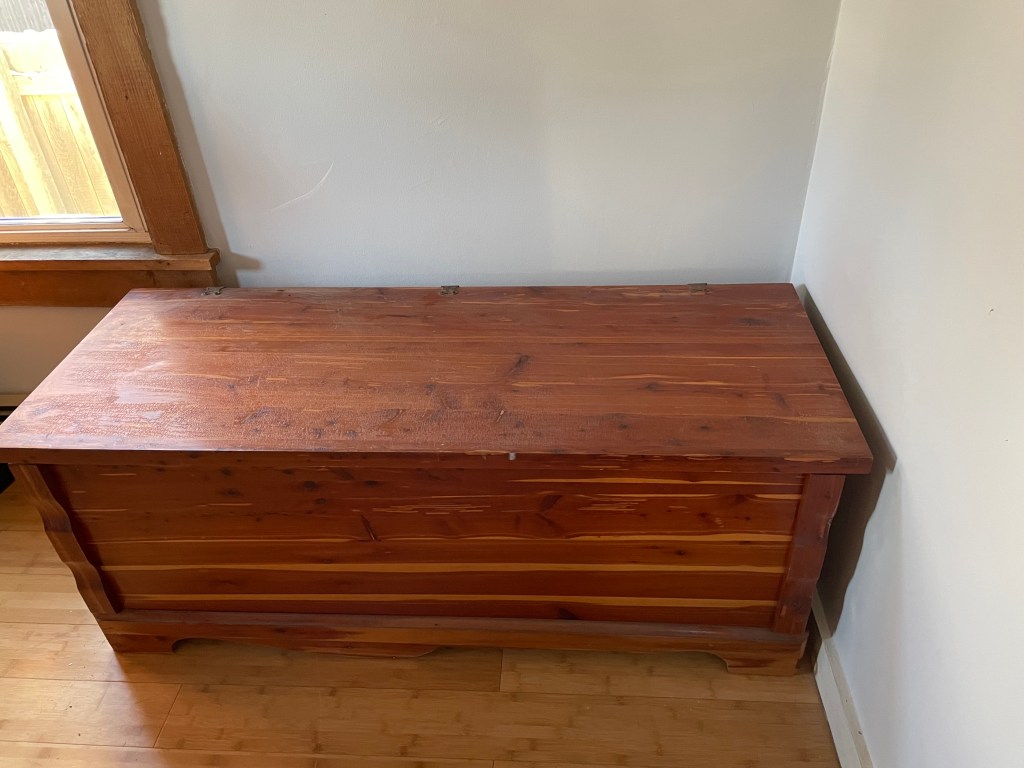
At least, that’s what occurred to me yesterday morning as I dragged inside the house the hope chest from my youth that my father dropped off. It was previously in the storage unit he cleaned out over Thanksgiving.
My hope chest was a gift from my grandmother, who I called Nanny, when I was 18 and a senior in high school. She called it my “hopeless chest,” and maybe it was since I filled it with relics of the past.
I emptied the hope chest’s contents into a plastic tote weeks ago and stashed it in the basement with all the other boxes of my past lives. I’ll go through it someday. Or actually probably I won’t. (But I should.)
It was hard enough to go through the last 20 years of my writing to put together a manuscript this summer. An old professor and dear friend encouraged me to do this so I could get on with publishing a book and becoming an author.
But it was spending two-and-a half months preparing for Maine Writers & Publishers Alliance’s Pitch event in September that pushed me into the archives of my written life to pull together something publishable from my old M.F.A. thesis, blogs I once kept, newspaper columns, and other material, some published but most not.
Pitch, I figured, was a great way to give myself a goal to produce a body of work. Being pressed up against a deadline works for me: The survival instinct kicks in and I write like hell to save myself from threats only a conspiracy of my imagination and inner critic could come up with.
This is a terrible way to work with the material of your life in writing, especially when so much of it was produced years – even decades -ago. As Joan Didion said, “I’ve already lost touch with a couple of people I used to be.”
Re-reading, revising, and reworking my personal narratives of record took living in the past to a whole new level.
It meant reliving it. And it was hard enough the first time.
My manuscript was not finished when I went to Pitch. I thought about bailing out because I was assured by countless writing professionals, across just about every stage of publishing, that I shouldn’t pitch until my work was as polished as it could possibly be. But I was also assured by some of the same people that my manuscript didn’t have to be perfect.
A friend from my writers’ group, and my neighbor offered their blessings for my pitch. Both watched me fall apart and pull myself together, and fall apart again all summer as I worked through the material of my life.
I reframed the whole process of meeting an agent and pitching my book as an experience I would learn from no matter what happened, and I did. I am happy to share that the agent asked to read my book when it’s finished. That ALONE made the whole thing worth it.
As if I got a signed book deal and advance check that very day, I am still cloud walking over my Pitch experience. But the fairy tale ending of my book drafting journey was leaving Pitch knowing that another human wanted to read the whole thing when it’s done.
The problem is that I may never finish that manuscript. At least not as I originally imagined it.
I know how that story goes, and I am tired of telling it. Like a toddler who abandons one beloved bed time book just as you can say it by heart (er… phone it in), and adopts a new favorite (with a million more pages), I am ready for what’s next, too.
I can’t unlive the past, and I can’t change it either. The only hope for growth, healing, new possibilities, different outcomes, and all that moves us forward is right now and what comes from the choices we make (or don’t) in this moment.
So I am writing my whole manuscript again from the perspective of the life I am living in the present. I’m writing as the person I’ve become, who, it’s important to acknowledge, was made possible by all I wrote as the person I was then. It’s a quantum equation of creativity and about as much math as I can do.
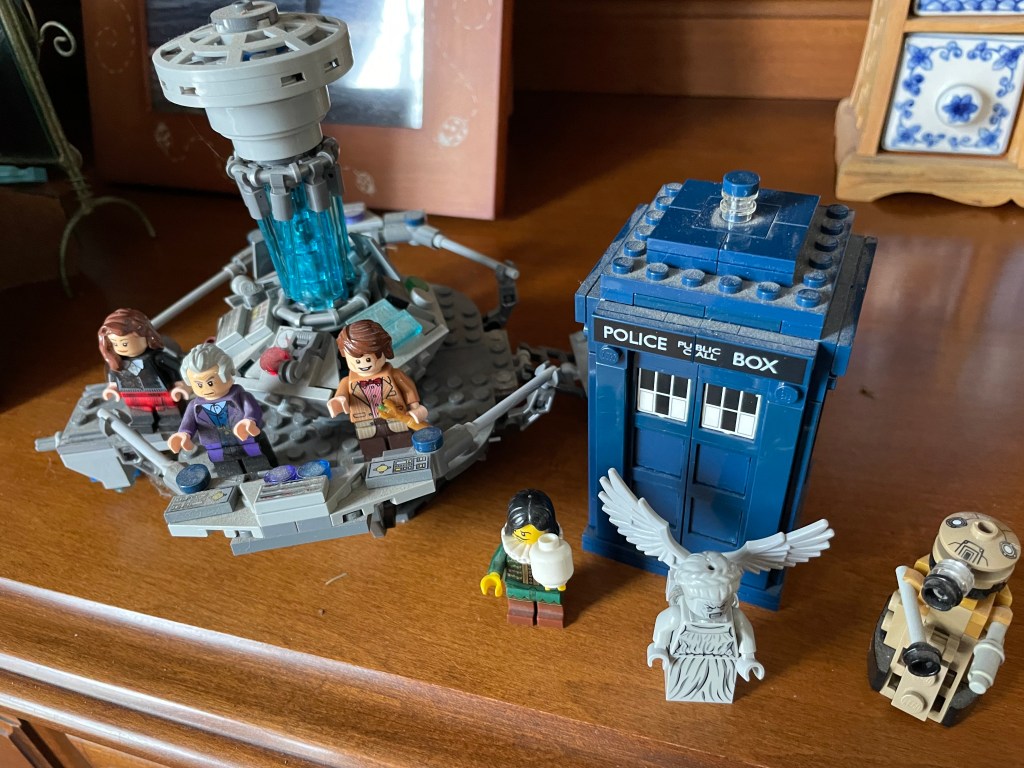
“We are all stories in the end,” Doctor Who said. “Just make it a good one, eh?”
The Zoomies no longer play with Legos, but I keep this one on display as a memorial, I suppose. Amy Pond is on the T.A.R.D.I.S., so this must be the 11th Doctor (Matt Smith/Stephen Moffat) era, who, by the way, deserves the attribution for the story quote.
I shared the post about what to do with my 40-plus years of journals on Facebook yesterday, and a childhood friend commented that he was afraid of how he may come off in the words of my 12-13-14-year-old self. His words were kind of jokey – and not as specific as the ones I just used. But you get it, right?
Anne Lamott said, “You own everything that happened to you. Tell your stories. If people wanted you to write warmly about them, they should’ve behaved better.“
Yup.
But I want to crack open this idea bit more. Because while I believe I have every right to render my personal experience in all its agony and glory to myself privately, it’s nobody’s business but my own. It’s unpublished for a reason. If I burn it all, that will be why.
I wish I could go through life without needing to document every emotional hang nail and loose the wild banshee of rage over real or perceived injustices on the page, but I can’t. Without the aid of a pen, I don’t know how well I could have adapted to – never mind survived – the dysfunctional systems I found myself in.
Not blaming. Just saying.
However, when I feel moved by the creative spirit to take some raw material from my life and put it out there in the world, I owe it to myself to filter it through rigorously honest self-reflection.
I learned this the hardest of possible ways.
See, when you’ve been writing since you were 11 years old and this new thing called blogging comes along 25 years later, you’re ready. You know exactly how to do that thing.
My blog was called “Bad Mother Chronicles” and I posted about everything in my life as a mother of three young kids. It grew very popular. Alltop syndicated it. I was interviewed five times by the BBC’s “World Have Your Say.”
So I wrote another blog called “Love On The Run” during my divorce from my kids’ father. Same “breathtaking honesty” (one of my most treasured compliments), but the truth had consequences this time. I got actual hate mail that included the suggestion that my kids would be better off without me.
I went scuttling back into the pages of my private journals and stayed there for over a decade.
(Sort of. It wasn’t God’s plan for me to not be a writer in the world, so I had the miraculous good fortune to work a series of jobs at newspapers that included writing narrative columns. But as for “baring my unedited soul” for all to see, that was good and over.)
It’s taken 12 years, but I understand now what happened with the blogging, particularly Love On The Run. I did not lay upon my personal experience any self-reflection at all. Not like I should have. Not like I do now.
At the time it was deliberate. I had gone looking for divorce narratives that expressed the experience as it happened and not as a retrospective memoir. I didn’t find any, so I wrote my own, figuring others might benefit from my experience. That’s the old blogger spirit!
But I can see how it probably came off as a shameful, attention-seeking, heedless-of-the-hurt-it-caused, self-promotional tell-all.
Oh man, do I get this. Lately, I get sucked into certain family influencer Tic Toc reels. There’s one with a dark-haired newborn and a caption that reads, “When your whole family is blonde,” and the parents looking askant.
Really? How’s that baby going to feel when she sees that someday?
I wish I could tell this new generation of “everyday reality” content producers that it turns out there are some life experiences that merit every ounce of contemplation we can bring to them before we render them for consideration by anyone else, especially when those experiences include others, and most particularly when they involve our children.
Self-reflection is a form of revision. It asks questions, considers alternatives, balances accounts, seeks the source, goes a step (or fifty) further, gives shape and form, and makes choices – what to leave in and what to leave out.
Working at newspapers taught me this, too. A reporter owes her subject an accurate rendering. It’s the highest ethic. And it takes time, thought, and work.
Discernment is essential to good reporting. You gotta trust your hunches. But you have to check them, too. A story that sounds good to your ear may not be the one that’s closest to true. So you listen longer, swap your eyes for another’s. And beware those stories that “just seem to write themselves.”
Like my journals.
There are plenty of folks – most of whom I dearly love – in those thousands of pages who I don’t treat warmly all the time. I don’t have to when I’m writing for myself.
But when I am writing from my life with the intention it will be read? Most of all, I want to be fair. No one is all good or all bad, even me (despite what my 17-year-old self believed).
I don’t know if words really live forever on the internet, or who would ever bother to collect (or recall) them all.
But I do know that words can linger far too long in the heart. And so they must be wise ones, and whenever possible kind ones, and most of all worth the consequences of the truth they claim. A spell once cast cannot be un-cast, after all.
I was never a “gotcha” journalist, but I am relentlessly (perhaps annoyingly) curious. I want to understand … why you are the way you are, why what happened happened the way it did, why it happened at all, HOW it happened, why I am the way I am, and what might become of you, of me, of any of us.
I’m just trying to make sense of the world the only way I know how.
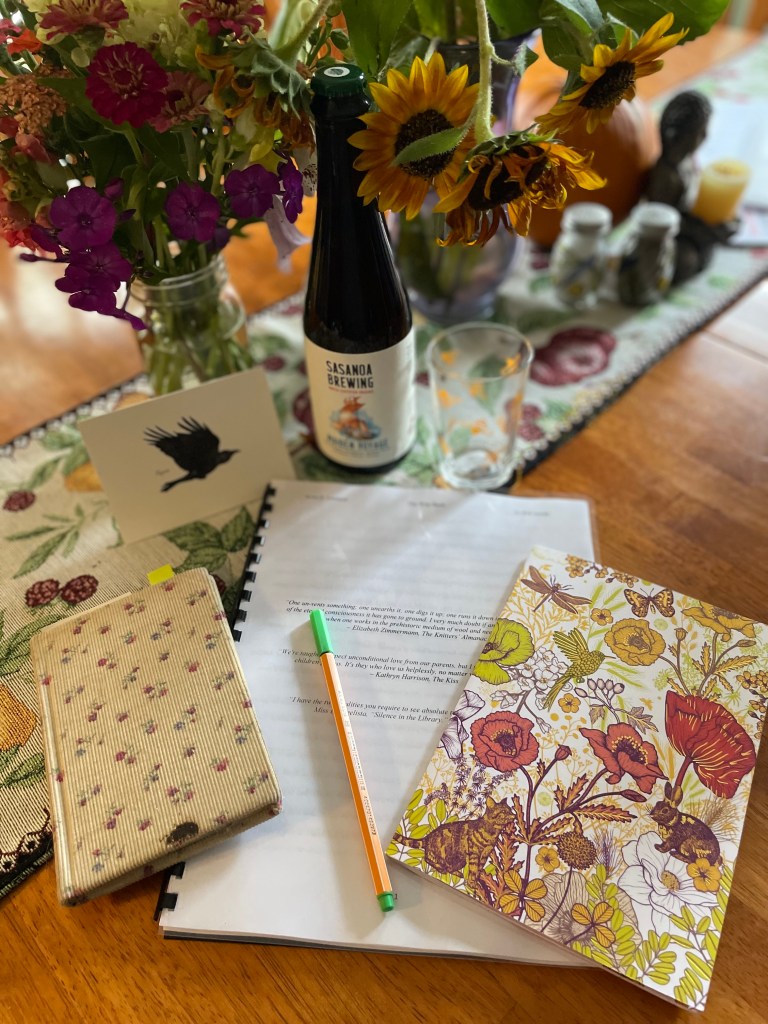
My mother gave me this card about six months before she died and I still carry it around with me 17 years later. I lost track of it last year, but found it in this book by Melanie Brooks. I must’ve used it as a bookmark.
Last March, I marked 40 years of keeping a diary or journal almost daily. It’s so foundational to who I am that diary or journal doesn’t quite capture what the practice means to me, it’s impact on my life at any given stage, and how it’s shaped who I am. Or should I say who it’s been possible for me to be?
I did not mark the occasion last March because I missed it. I missed it because I had it in my head that the 40th anniversary of my journal keeping was in MAY (1982).
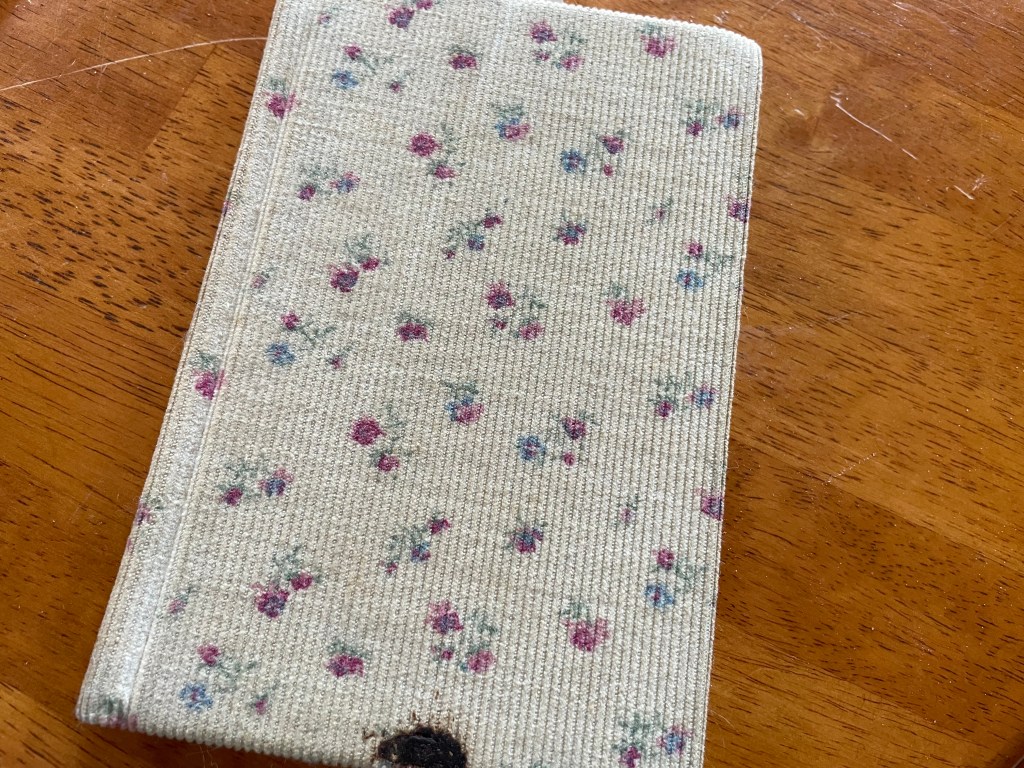
So in MAY 2022 when I pulled out that first flowered corduroy book to reflect on the milestone, I was surprised to see I’d missed the actual day!
Humble beginnings
And by May of last year, I was dribbling off the table of the newspaper career I had ping ponged into the summer before. I was in transition (again), and not in a reflective state of mind.
So I put that inaugural volume of personal writing back on the shelf and walked away.
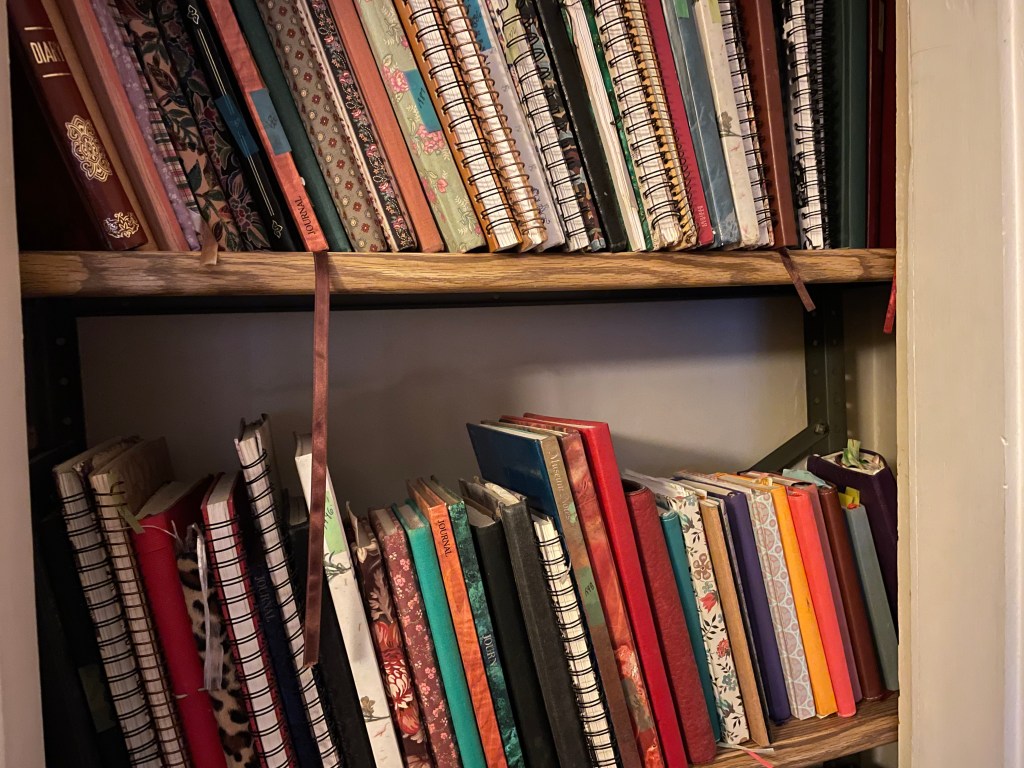
Volumes from the early days.
How could I miss it? At the time, I shrugged it off because I didn’t want it to be the very big deal that it was. You do something nearly every day for 40 years and you’re only just 51 at the anniversary of it, and you miss it?!?
I don’t know what I had in mind to do to celebrate, but I wanted to do something. I wasn’t looking for a party so much as a ritual to honor whatever inspired me to think writing was something I could do, and for continuing to do it pretty much no matter what. That’s sort of heroic, right?
There is no trophy or prize, but in my acceptance speech for the privilege of having a writing practice, I want to thank God, the Universe, every single teacher I ever had who fanned my flames, all the readers of various projects who sent me notes, students who shared their own stories, and everyone everywhere for all time.
What’s been published is maybe an eighth of what I’ve actually written, but it was enough to help me imagine a writer is something I can be. Maybe even more than that. I writer is something I am.
I would say more lest you get the idea that I think I am “all that” because I’m a writer. But that’s a new thread that requires much additional narrative stitching.
I suppose I am just in time for the 41st anniversary of keeping a journal in about a month.
But more than marking the day an 11-year-old child first picked up a pen, I want to do something with this enormous body of work. It’s just piled up … well, like dead bodies … for over 40 years.
What do you do with decades of diaries? I’d hate for just about anyone to ever read them. I know intimately, painfully, and life-alteringly the cost of someone else rummaging around in my private pages, assigning their own meanings to my experiences, and punishing me for the offense of telling my stories to myself.
Better to burn the whole lot than ever go through that again.
But how can I do that to all the people I’ve been? The child who recorded what she ate at a family cookout? The lovelorn teenager. The young woman lost in the missing years. The new mother, grieving daughter, valiant single parent making ends meet as a college adjunct, scrappy community journalist.
I may be the only one who can read their stories with true compassion, now that I am not them, and yet all of them combined.
Those are not just books on the shelves. They are whole lives. I lived them. And they await my kind eyes.


 Raye S. Leonard